How Keycard and Fob Access Control Systems Actually Work
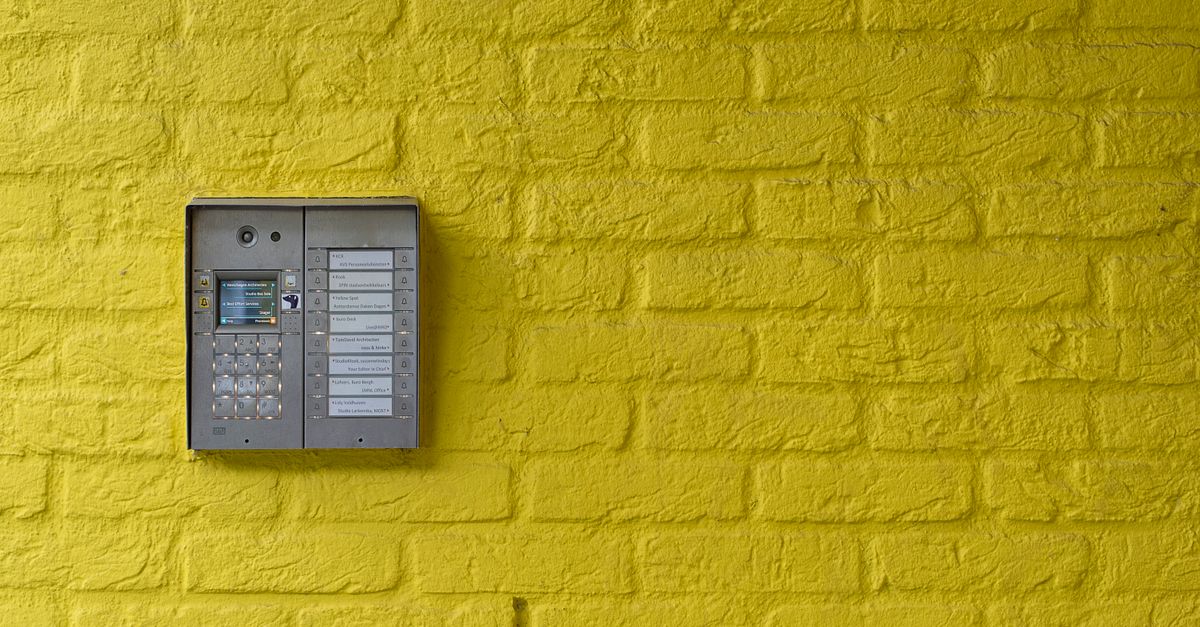
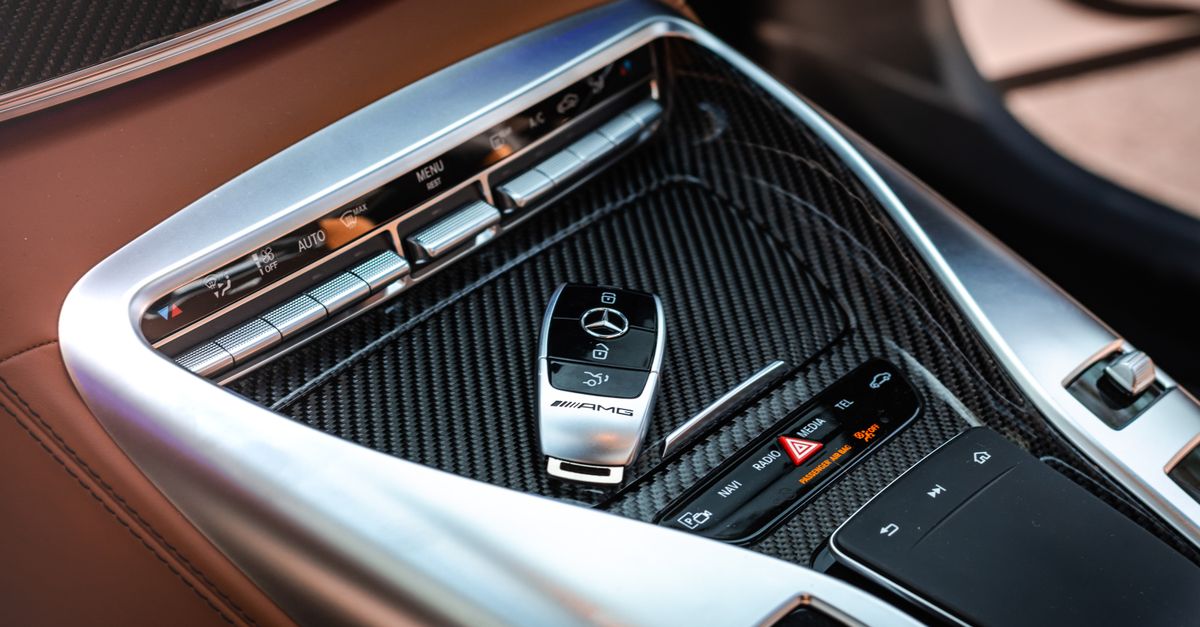
Proximity cards, smart cards, and key fobs all operate on the same fundamental principle: a credential stored on the card or fob communicates with a reader mounted at the door, and the reader instructs the locking hardware to release — or deny — entry. The quality of that locking hardware matters enormously. An access control mortise lock is widely regarded as the gold standard for commercial and high-security residential installations. Unlike a simple cylindrical lock body, a mortise lock is recessed into the door itself, making it far more resistant to forced entry and far better suited to the heavy-duty cycling that high-traffic doors experience. Our technicians source and install mortise lock access control hardware from trusted manufacturers, pairing the lock body with the reader, controller, and credential technology that fits your building's specific layout and security tier.
Fob and keycard systems also vary significantly in their underlying technology. Older 125kHz proximity systems are fast and convenient but offer limited encryption, making them easier to clone. Modern 13.56MHz smart card platforms — including MIFARE and DESFire variants — add layered encryption that dramatically raises the bar for would-be intruders. When our team assesses your property, we walk you through the real-world differences so you can make an informed decision rather than simply defaulting to whatever hardware is cheapest to source.